
Home lighting mistakes in Nepal to Avoid When Designing
Designing a home in Nepal involves dozens of decisions—from floor plans and paint colors to furniture, false ceilings, kitchen layouts, and gate design. In the middle of all that, lighting often gets treated as a last-minute purchase. That is where many homeowners make costly home lighting mistakes in Nepal, affecting not just the look of the space but also comfort, functionality, and energy efficiency.
Good lighting does more than brighten a room. It affects comfort, mood, functionality, safety, and the overall look of your home. The right chandelier can turn a living room into a statement space, while the wrong wall light or poor light placement can make even a well-designed room feel flat, harsh, or impractical.
Whether you are building a new house in Kathmandu Valley, renovating a family home, or upgrading a few rooms with decorative lights, understanding common lighting mistakes can help you avoid wasted money and disappointing results. In this guide, we will look at the most common home lighting mistakes in Nepal and how to make better lighting choices for your living room, bedroom, dining area, staircase, and outdoor spaces.
1: Relying on Only One Central Ceiling Light
One of the most common lighting mistakes in Nepal is depending on a single ceiling light for the entire room. Many homes still use one central fixture in the living room, bedroom, or hallway and expect it to do everything. In reality, one light source is rarely enough for a comfortable and well-balanced interior.
A single overhead light often creates shadows, leaves corners dark, and makes the room look flat. It may provide basic brightness, but it does not create the layered, functional look that modern homes need.
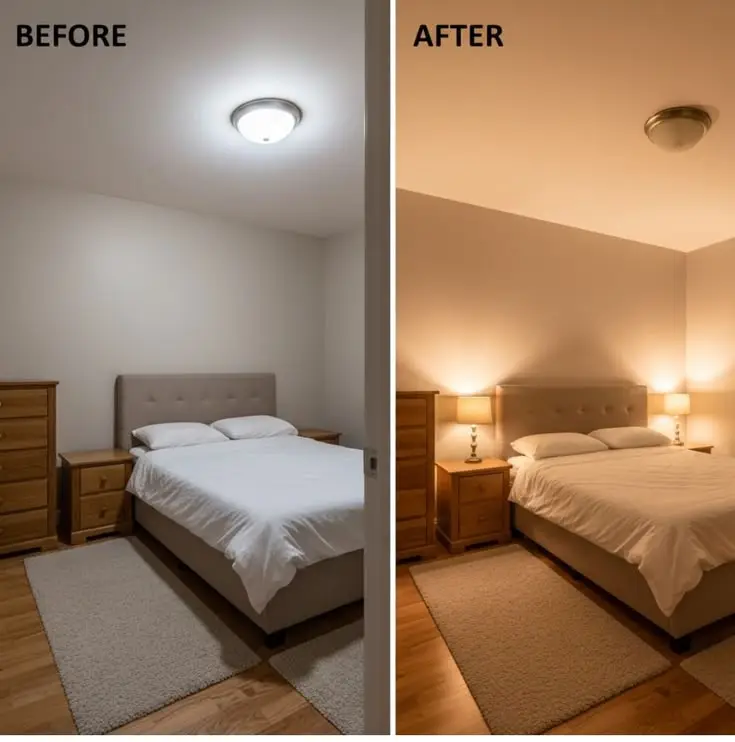
What to do instead
Use layered lighting. This means combining different types of lighting for different purposes:
- Ambient lighting for overall brightness
- Task lighting for activities like reading, cooking, dressing, or working
- Accent lighting to highlight décor, wall textures, artwork, or architectural details
For example:
- In the living room, combine a chandelier or ceiling light with wall lights and accent lighting.
- In the bedroom, use a soft main light plus bedside or wall-mounted lights.
- In the dining area, combine a statement hanging light with supporting ambient light.
This approach makes the room feel more comfortable, practical, and visually appealing.
2: Choosing the Wrong Size Chandelier or Light Fixture
A beautiful light fixture can still look wrong if the size is not appropriate for the room. This happens often when homeowners buy a chandelier because it looks attractive online or in a showroom, without checking whether it fits the scale of their living room, dining area, or staircase.
A chandelier that is too small can look weak and underwhelming in a large hall. A fixture that is too large can overpower a compact room and make the ceiling feel heavy.
Before buying, consider:
- Room width and length
- Ceiling height
- Furniture placement
- The height at which the fixture will hang
- Whether the light is meant to be decorative, functional, or both
This is especially important in modern homes in Nepal, where some spaces are compact, while others—such as double-height staircases or large living rooms—need more carefully sized statement lighting.
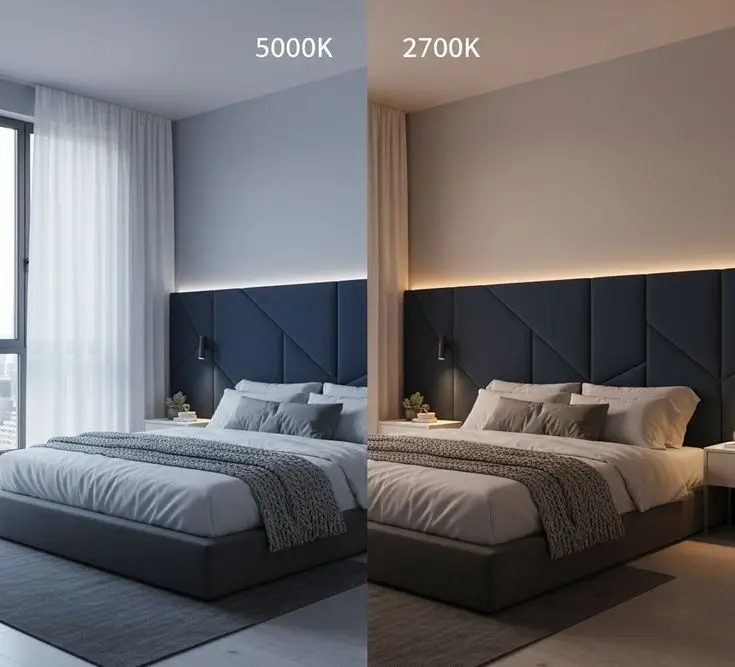
3: Using Cool White Light in Every Room
Another very common mistake is using the same light color temperature throughout the entire home. Many homeowners choose bright cool white light for every room because it feels “brighter,” but that can make the home feel harsh and uncomfortable.
A better rule of thumb:
- Warm light works well for bedrooms, living rooms, and dining spaces because it creates a cozy and inviting atmosphere.
- Neutral light can work well in mixed-use spaces where you want balanced brightness.
- Cool light is more suitable for kitchens, study areas, bathrooms, and certain workspaces where clearer visibility is needed.
If your living room, bedroom, or dining area feels too sharp or uncomfortable, the problem may not be the fixture itself—it may be the light color.
4: Not Planning Lighting Room by Room
Every room in a home serves a different purpose, so the lighting should be planned accordingly. A one-size-fits-all approach almost always leads to poor results.
Living room
The living room usually needs a mix of:
- Main ambient light
- Decorative lighting such as chandeliers or hanging lights
- Accent or wall lighting for warmth and depth
Bedroom
Bedrooms should feel restful and comfortable. They benefit from:
- Soft ambient lighting
- Bedside or wall lights for reading
- Warm light that supports relaxation
Dining area
Dining spaces often work best with:
- A pendant light or chandelier above the dining table
- Balanced surrounding light so the room does not feel dark outside the table area
Staircase and hallway
These areas need:
- Safe, even lighting
- Decorative wall lights if suitable
- Good visibility without glare
Gate, balcony, and outdoor spaces
Outdoor areas need lighting for:
- Safety
- Visibility
- Better exterior appearance
- A more welcoming entrance
Planning each room separately leads to a more practical and polished home design.
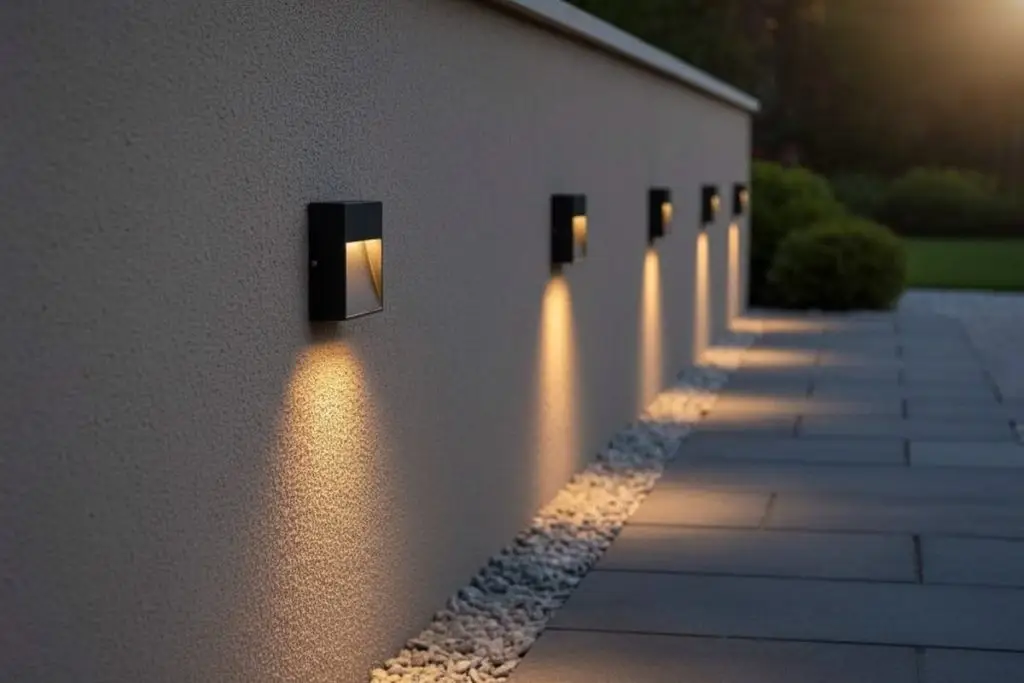
5: Ignoring Gate and Outdoor Lighting
When homeowners in Nepal plan a new home, most of the attention goes to the living room, kitchen, bedrooms, and false ceiling design. Outdoor lighting is often left for later, and sometimes not planned properly at all.
That is a mistake because gate and exterior lighting play a major role in both design and function.
Why outdoor lighting matters
- It improves visibility at the gate and entrance
- It enhances safety around stairs, pathways, and balconies
- It adds curb appeal to the front of the house
- It creates a more complete and finished exterior look
Good outdoor lighting can include:
- Gate lights
- Exterior wall lights
- Balcony lights
- Garden or pathway lighting
- Flood lights for larger outdoor areas if needed
If the outside of the home is dark or poorly lit, the whole property can feel less welcoming and less secure.
6: Buying Lights Without Checking Product Specifications
Many lighting mistakes happen because people choose a fixture based only on its appearance. Before buying any decorative or architectural light, always check the specifications.
Important things to review:
- Dimensions and overall size
- Wattage or recommended bulb type
- Indoor or outdoor suitability
- Material and finish
- Installation type
- Voltage compatibility if relevant
- Number of bulbs or integrated LED details
This is especially important for:
- Chandeliers for living rooms and staircases
- Wall lights for bedrooms and hallways
- Gate lights exposed to weather
- COB or spot lights for false ceiling design
Checking specifications before purchase helps avoid installation problems and ensures the fixture actually fits your room and lighting needs.
7: Using Too Many Different Lighting Styles in One House
Lighting should complement your overall interior style. If every room has a completely different lighting language—one classic chandelier, one ultra-modern pendant, one industrial wall light, one ornate exterior lantern—the home can start to feel visually disconnected.
That does not mean every fixture has to match exactly. It means there should be a consistent design direction.
For example, you can choose a style family such as:
- Modern minimal
- Contemporary luxury
- Warm decorative
- Classic elegant
- Modern architectural
Then select chandeliers, wall lights, pendant lights, and outdoor fixtures that work well together within that theme.
Final Thoughts
Lighting can completely change the way a home looks and feels. A well-planned lighting setup makes rooms more functional, more comfortable, and more visually balanced. On the other hand, common mistakes—such as relying on one ceiling light, choosing the wrong fixture size, ignoring outdoor lighting, or using the wrong light color—can reduce the impact of even the best interior design.
If you are building or renovating a home in Nepal, it is worth planning your lighting with the same attention you give to flooring, furniture, paint, and décor. The right chandeliers, wall lights, pendant lights, gate lights, and architectural lighting can make a major difference in both style and everyday usability.
If you are looking for decorative and architectural lighting for your home, BR Lighting Studio offers chandeliers, wall lights, pendant lights, gate lights, and more for modern homes across Kathmandu Valley. Choosing the right lighting early can help you avoid expensive mistakes and create a home that feels complete from every angle.
Frequently Asked Questions
What is the most common home lighting mistake in Nepal?
One of the most common mistakes is relying on a single ceiling light for the entire room instead of using layered lighting with ambient, task, and accent lights.
Should I use warm or cool light in my home?
Warm light is generally better for bedrooms, living rooms, and dining spaces because it creates a cozy atmosphere. Cool or neutral light is often more suitable for kitchens, bathrooms, and work areas.
Why is outdoor lighting important for homes in Nepal?
Outdoor lighting improves visibility, safety, and the appearance of your gate, balcony, and exterior walls. It also makes the entrance more welcoming.
How do I choose the right chandelier size?
You should consider room size, ceiling height, and furniture placement. A chandelier should feel proportionate to the room and provide the right visual impact without overwhelming the space.
When should I plan lighting during home construction?
Lighting should be planned early—before finalizing ceiling design, switch points, wall finishes, and furniture layout—so you can place fixtures correctly and avoid costly changes later.
